
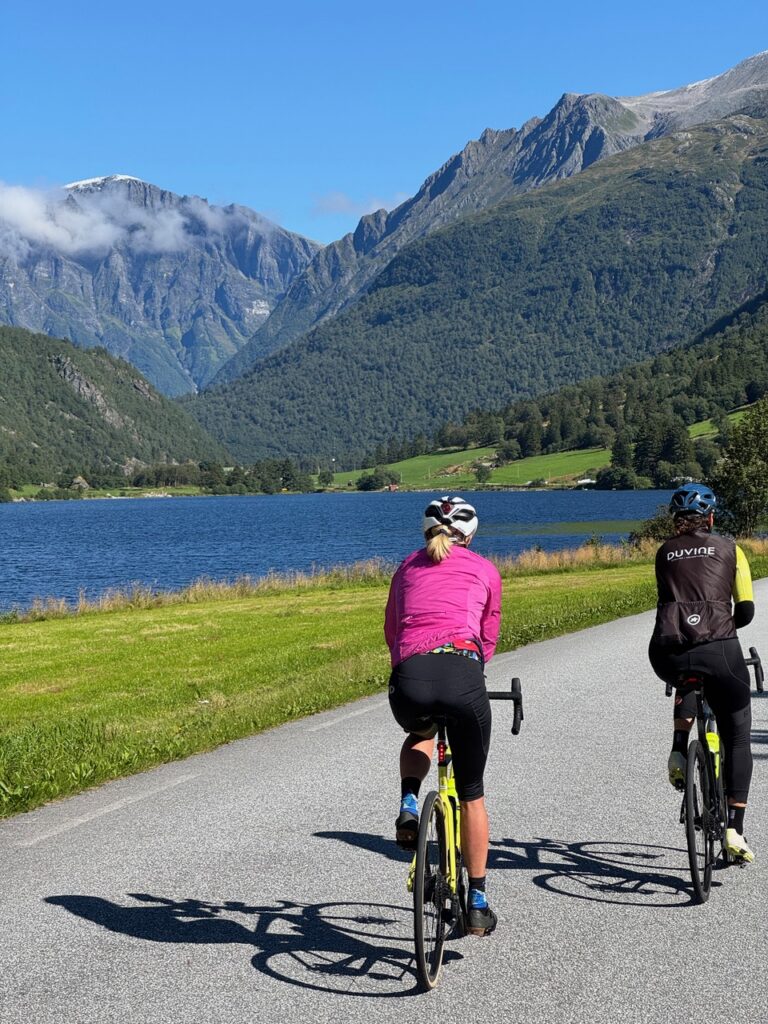
From mountain trails and cross-country rides to neighborhood bike paths, former hip and knee replacement patients are redefining what recovery looks like.
Every July, millions of people tune in to watch the Tour de France, celebrating the endurance, determination and resilience of the world’s greatest cyclists. But for many Americans, the most meaningful cycling victories happen much closer to home.
For over the past 25 years, orthopedic surgeon Dr. Richard A. Berger at Midwest Orthopedics at RUSH has helped thousands of patients return to the activities they love through minimally invasive outpatient hip and knee replacement surgery. Among those milestones are remarkable stories of people who believed chronic joint pain had ended their days on a bicycle, only to discover it was the beginning of a new chapter.
“People often think joint replacement means slowing down,” said Dr. Berger. “Our goal has always been the opposite. We want patients to return to living fully, whether that’s riding around the neighborhood, tackling mountain trails or completing the ride of a lifetime.”
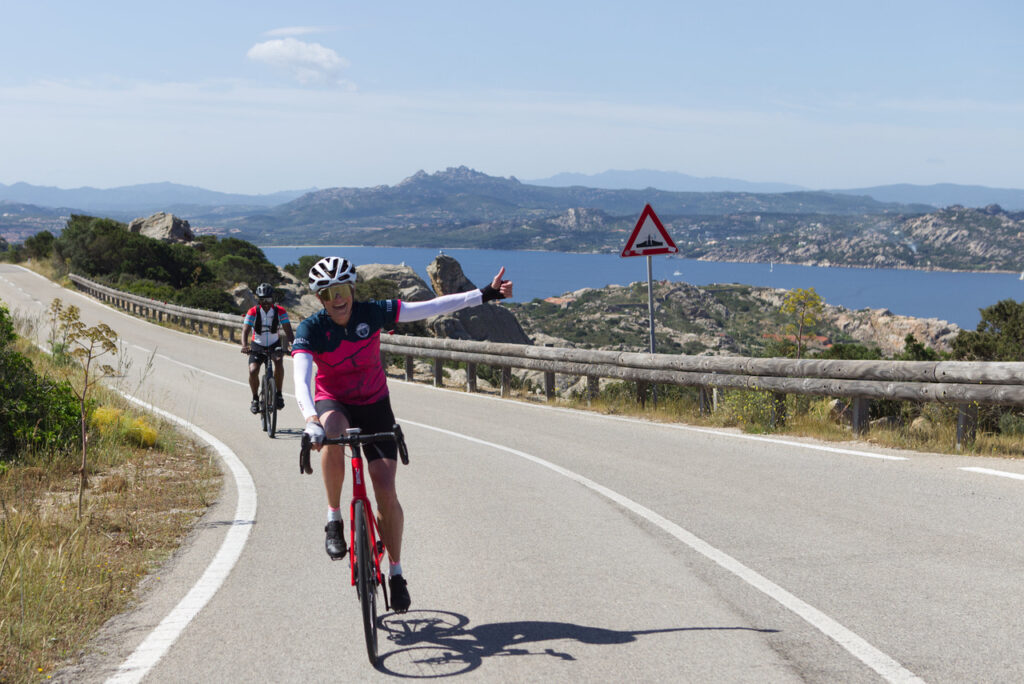
Cheryl Jensen, cycling through Sardinia, Italy 2026
One of those patients is Cheryl Jensen, a Colorado resident, whose active lifestyle was threatened by debilitating knee pain. Following her knee replacement, she has returned to an extraordinary list of adventures that continues to grow 10 years later.
“I just returned from a seven-day bike trip in Sardinia, spent two weeks backcountry skiing in Canada, plan on running the Vail Hillclimb again this year, play pickleball several times a week and still enjoy time on the golf course,” Jensen said. “Getting my knee replaced gave me my life back.”
Jensen is one of many cyclists whose stories reflect what is possible after surgery.
Former patient Willie Winters fulfilled a lifelong dream of riding his bicycle across America years after his hip replacement. Michael Hill, who experienced both a traditional knee replacement and Dr. Berger’s minimally invasive approach, credits the difference in recovery with helping him return to cycling far sooner than he expected. Following joint replacement, patients have returned to recreational cycling, mountain biking, and long-distance rides, activities many thought were no longer possible after years of chronic joint pain.
Among Dr. Berger’s many patients is former President George W. Bush, who shared his own experience after knee replacement surgery:
“I’m a great admirer of Richard Berger not only because of his skill as a surgeon, but his entrepreneurial instincts. He is a kind doctor with a pleasant bedside manner who loves his family and loves his work. Dr. Berger took an old guy like me who could barely walk, much less ride a bike and shortly after the operation, I was on a bike riding like a madman.
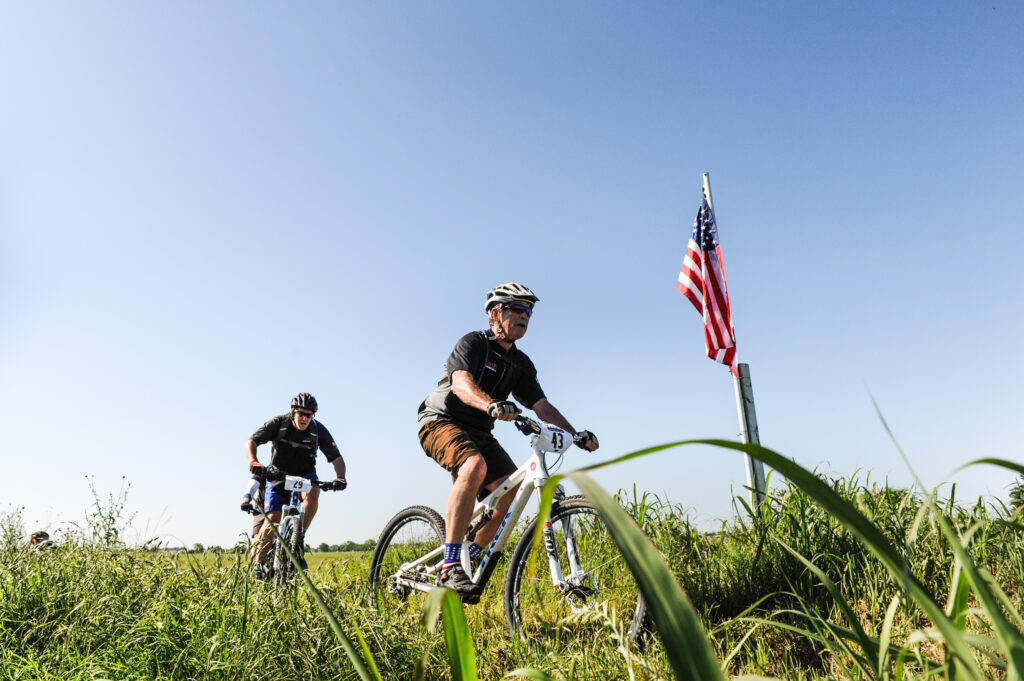
GWBPC Warrior 100K in Crawford, TX. Photo by Grant Miller
As the Tour de France celebrates elite athletes pushing the limits of human performance, Dr. Berger says the spirit of cycling extends far beyond professional competition.
“Not everyone dreams of winning the Tour de France,” he said. “But many people simply want to ride with their spouse, keep up with their grandchildren, or enjoy a vacation without pain. Those victories are just as meaningful.”
As the Tour de France inspires millions with stories of perseverance and performance, Dr. Richard Berger is celebrating a milestone of his own, inspiring an entire generation of surgeons. This year marks 25 years since he pioneered outpatient, minimally invasive hip and knee replacement—an innovation that transformed recovery expectations worldwide. His muscle-, tendon-, and ligament-sparing techniques have helped thousands of patients walk on the day of surgery and return to the activities they love, including cycling, sooner than previously thought possible.

Willie Winters after cycling across America
Whether it’s completing a cross-country cycling journey, exploring the mountains of Europe, or simply enjoying an afternoon ride through the neighborhood, these patient stories serve as a reminder that life doesn’t have to slow down because of joint pain.